Second Hand Steel for Sale: A Comprehensive Analysis
Introduction
In today’s globalized world, the circular economy has emerged as a sustainable alternative to traditional linear production models. At the heart of this movement is the reuse and recycling of materials, particularly second-hand steel. This article delves into the multifaceted world of second-hand steel for sale, exploring its definition, global impact, economic considerations, technological advancements, regulatory landscape, challenges, case studies, and future prospects. By the end, readers will gain a comprehensive understanding of this vital sector and its role in shaping a more sustainable future.
Understanding Second Hand Steel for Sale
Definition
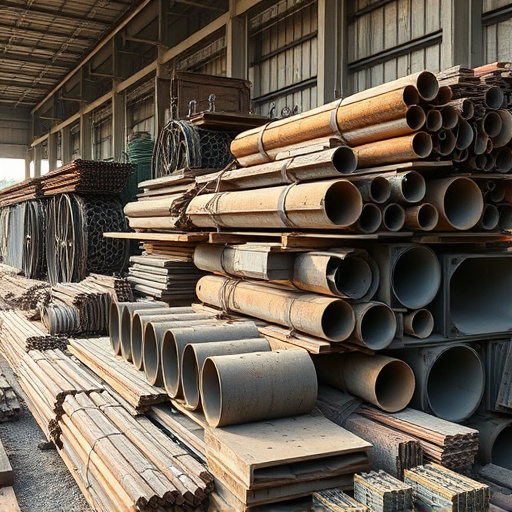
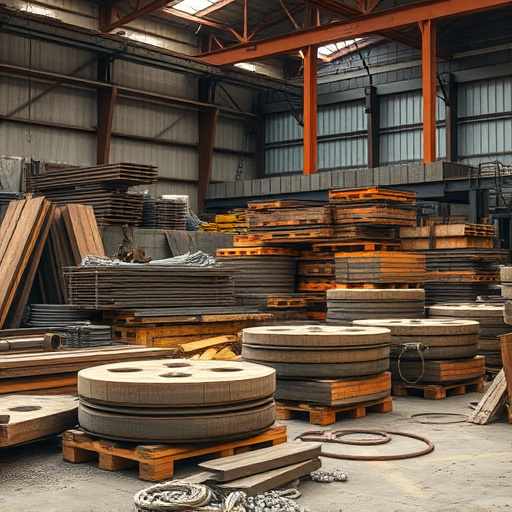
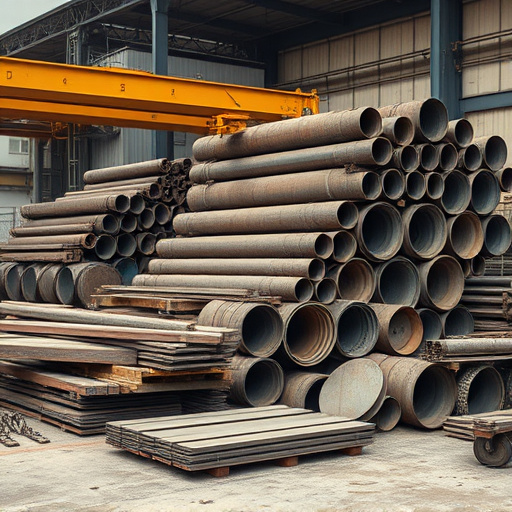
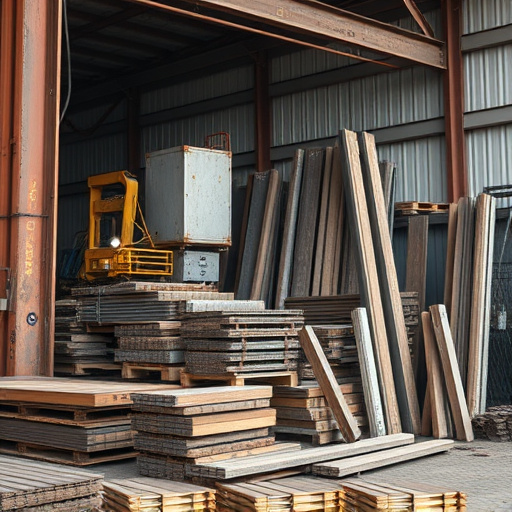
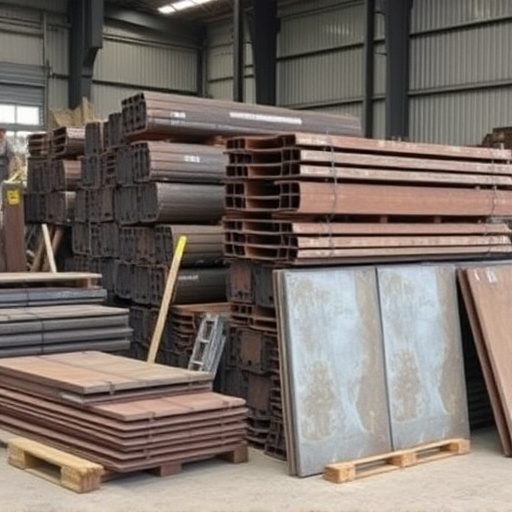
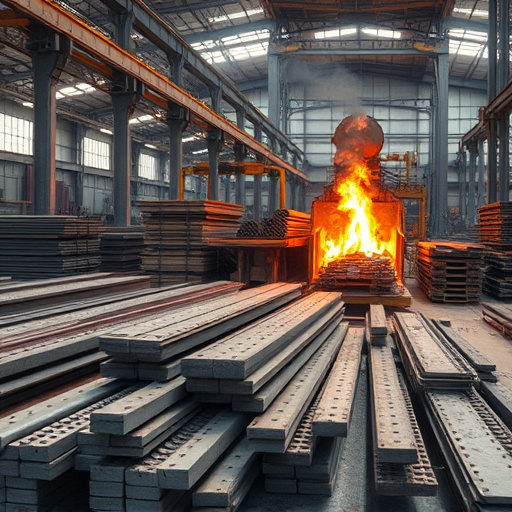
Second-hand steel for sale refers to steel products that have been previously used but are still structurally sound and reusable. These materials can include scrap steel from demolition projects, excess manufacturing waste, or recycled steel from various industrial processes. The steel is collected, processed, and then resold to manufacturers, constructors, and other industries for a wide range of applications.
Core Components and Historical Context
The core components of second-hand steel include:
Scrap Steel: Derived from various sources like old buildings, vehicles, appliances, and manufacturing waste.
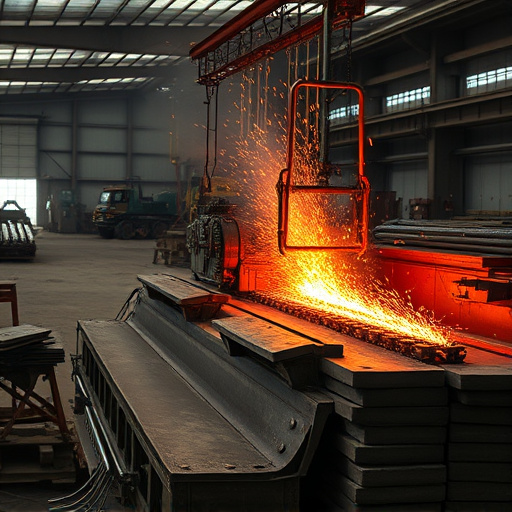
Recycled Steel: Material recovered from scrap through processes like shredding, sorting, and melting.
Newly Recycled Steel: Steel that has been remelted and processed into new products, preserving its original properties.
Historically, the concept of recycling steel dates back to ancient times when blacksmiths re-forged and reused metal. However, organized steel recycling on a large scale began in the late 19th century with the advent of industrial processes and growing environmental concerns.
Significance and Broader Landscape
Second-hand steel plays a critical role in:
Sustainability: Reducing the demand for virgin steel, which requires significant energy and resources for production.
Cost Efficiency: Providing affordable raw materials for manufacturers, thereby lowering production costs.
Waste Reduction: Preventing massive amounts of steel from ending up in landfills, contributing to environmental degradation.
Circular Economy: Fostering a closed-loop system where materials are continually reused and recycled.
Global Impact and Trends
International Influence
Second-hand steel for sale has a significant global impact, with major producers and consumers including China, India, the United States, Japan, and European countries. These nations drive the market through both export and import activities, reflecting diverse industrial needs and environmental policies.
Key Trends Shaping Trajectory
Increasing Global Demand: Rising infrastructure development in emerging markets is driving the need for affordable and readily available steel.
Stricter Environmental Regulations: Many countries are implementing stringent waste management and emissions reduction policies, incentivizing recycling.
Technological Advancements: Innovations in sorting, shredding, and processing technologies have made recycling more efficient and cost-effective.
Circular Economy Initiatives: Governments and corporations worldwide are promoting circular economy models, enhancing the market for recycled materials.
Regional Affects
Asia Pacific: China is a major hub for steel production and export, while countries like India and Japan heavily rely on imported second-hand steel for their industrial sectors.
Europe: Strict environmental regulations have led to robust secondary steel markets in Germany, the UK, and France, with advanced recycling infrastructure.
North America: The US market is characterized by a mix of domestic production and imports, influenced by fluctuations in steel prices and regulatory measures.
Economic Considerations
Market Dynamics
The global second-hand steel market operates through a complex network of collectors, processors, traders, and end-users. Key market dynamics include:
Supply and Demand: Fluctuations driven by economic growth, infrastructure projects, and scrap generation rates.
Price Volatility: Prices are influenced by factors such as energy costs, raw material availability, and global trade policies.
Regional Disparities: Pricing varies across regions due to differences in labor, transportation, and environmental regulations.
Recycling Facilities: Investors can profit from establishing or expanding recycling facilities to meet growing demand.
Logistics and Transportation: Efficient logistics networks for collecting, sorting, and distributing recycled steel are highly valuable.
End-Use Industries: Manufacturers and construction companies investing in recycled steel can reduce costs and enhance sustainability credentials.
Role in Economic Systems
Recycled steel contributes to economic systems by:
Cost Savings: End-users can achieve significant cost savings by using recycled steel instead of virgin material.
Job Creation: The sector supports employment opportunities in recycling, processing, logistics, and manufacturing.
Resource Security: Dependence on imported virgin steel is reduced, enhancing resource security for nations with robust recycling capabilities.
Technological Advancements
Innovations in Recycling Technology
Advanced Sorting Technologies: Efficient magnetic separation, laser scanning, and artificial intelligence (AI)-driven systems enable faster and more accurate sorting of scrap steel.
Shredding and Granulation: Modern shredders can handle diverse materials, producing uniform steel scrap for optimal recycling processes.
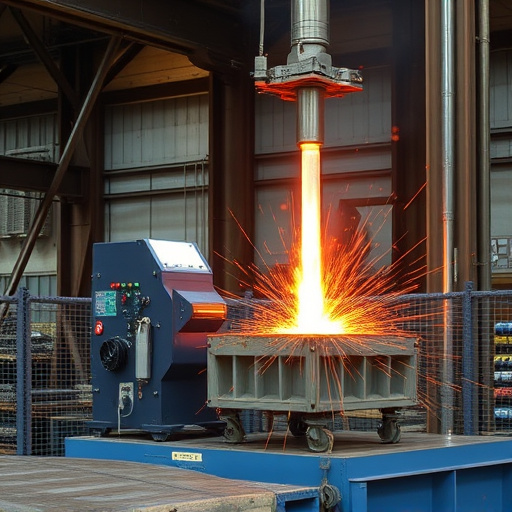
Direct Reduction and Electric Furnaces: These technologies offer energy-efficient methods for recycling steel, reducing environmental impact.
Smart Recycling Plants: Integration of IoT sensors and data analytics allows real-time monitoring and optimization of recycling processes.
Impact and Future Potential
Technological advancements have:
Improved Efficiency: Increased recovery rates and reduced energy consumption in the recycling process.
Enhanced Quality: Improved quality of recycled steel, making it suitable for a wider range of applications.
Sustainability: Lowered carbon emissions and environmental footprint through more efficient processes.
In the future, AI, robotics, and advanced automation are expected to further revolutionize steel recycling, enhancing scalability, consistency, and sustainability.
Policy and Regulation
Key Policies and Frameworks
Environmental Regulations: Many countries have strict regulations on waste management, emissions, and energy efficiency, incentivizing or mandating the use of recycled materials.
Trade Policies: Import tariffs and quotas can impact the flow of second-hand steel across borders, with some nations promoting domestic recycling over imports.
Recycling Targets: Governments set targets for recycling rates, encouraging industries to incorporate more recycled content in their products.
Incentives and Subsidies: Tax breaks, grants, and subsidies are offered to encourage recycling, processing, and the use of recycled steel.
Influence on Development
Policies and regulations:
Foster Sustainability: By creating a favorable environment for recycling, governments drive industries toward more sustainable practices.
Promote Circular Economy: Regulatory measures incentivize closed-loop production systems, reducing waste and pollution.
Guide Market Direction: Policies can steer the market toward specific technologies, applications, or regions, shaping industry dynamics.
Challenges and Criticisms
Main Issues Faced
Contamination: Mixed scrap steel with non-recyclable materials or contaminants poses challenges in processing and maintaining product quality.
Infrastructure and Logistics: Inadequate collection infrastructure, transportation networks, and storage facilities can hinder efficient recycling processes.
Price Volatility: Fluctuating steel prices make long-term planning for recyclers and end-users challenging.
Public Perception and Education: Lack of awareness about the benefits of recycled steel can undermine consumer acceptance.
Technological Barriers: High initial investment costs for advanced recycling technologies limit their adoption in some regions.
Proposed Solutions and Strategies
Standardized Recycling Processes: Implementing consistent recycling practices across industries to reduce contamination and improve quality.
Infrastructure Development: Investing in efficient collection, sorting, and distribution networks to streamline the recycling process.
Price Stabilization Measures: Governments can implement policies to stabilize steel prices, providing predictability for market participants.
Public Awareness Campaigns: Educating consumers about recycled steel benefits through marketing, labeling, and awareness programs.
Technological Support: Providing subsidies or grants for adopting advanced recycling technologies, encouraging industry innovation.
Case Studies
Successful Applications
China’s Steel Recycling Industry: China has a robust secondary steel market, with advanced recycling facilities processing millions of tons of scrap steel annually. Strict environmental policies and high demand for recycled materials have fueled this success story.
German Waste Management System: Germany’s comprehensive waste management system includes efficient recycling processes for steel. Strict regulations and public awareness campaigns have contributed to high recycling rates and minimal landfilling.
US Construction Sector Adoption: Major construction companies in the US are increasingly using recycled steel in buildings and infrastructure projects. This shift is driven by sustainability goals, cost savings, and government incentives.
Lessons Learned
Regulatory Impact: Strict environmental regulations play a pivotal role in fostering successful secondary steel industries.
Public Awareness: Educating consumers about recycled steel’s benefits encourages its adoption in various sectors.
Technological Advancements: Investing in advanced recycling technologies significantly improves efficiency, quality, and sustainability.
Future Prospects
Potential Growth Areas
Electric Vehicle (EV) Market: The growing EV industry will create a substantial demand for recycled steel, as EVs require high-strength, lightweight materials.
Offshore Wind Energy: Expansion of offshore wind farms requires vast amounts of structural steel, offering opportunities for recycled steel suppliers.
Construction Sector Innovation: Emerging construction technologies and methods will drive demand for advanced recycled steel products.
Emerging Trends
Smart Cities: Urban areas are adopting circular economy principles, creating new markets for recycled steel in infrastructure development.
Carbon Capture and Storage (CCS): CCS technologies can help mitigate carbon emissions from steel production processes, enhancing the value of recycled steel.
Digitalization and AI: Continued integration of digital technologies will optimize recycling processes, improve material traceability, and enhance sustainability reporting.
Strategic Considerations
Technological Innovation: Recycling companies should invest in R&D to stay ahead of technological advancements and maintain a competitive edge.
Global Collaboration: International partnerships can facilitate knowledge sharing, technology transfer, and market access, fostering global recycling networks.
Sustainable Branding: End-use industries can leverage their commitment to sustainability by promoting the use of recycled steel in their products and marketing strategies.
Policy Engagement: Businesses should actively engage with policymakers to shape supportive regulations and create a stable environment for secondary steel development.
Conclusion
Second-hand steel for sale is not just a byproduct of industrial processes; it represents a vital component of the global circular economy. From its historical roots to its modern applications, this sector has evolved significantly, driven by environmental concerns, technological advancements, and economic opportunities. As the world grapples with climate change and resource depletion, second-hand steel offers a sustainable alternative that can transform industries and protect our planet.
By understanding the intricacies of this market, policymakers, businesses, and consumers can work together to unlock its full potential. With continued innovation, robust regulations, and growing public awareness, the future of secondary steel looks promising, paving the way for a greener and more prosperous world.
FAQ Section
Q: Is recycled steel as strong as virgin steel?
A: Recycled steel can be just as strong, if not stronger, than virgin steel depending on the processing methods and intended application. Advanced recycling technologies ensure that recycled steel retains its essential properties.
Q: How does recycling steel impact employment?
A: Recycling steel supports a range of jobs, including collection, sorting, processing, logistics, manufacturing, and construction. Efficient recycling processes can actually create more jobs while reducing overall resource consumption.
Q: What are the main challenges in the global secondary steel market?
A: Key challenges include contamination, inadequate infrastructure, price volatility, public perception, and technological barriers. Addressing these issues through standardized practices, investment in infrastructure, policy support, and technological advancements is crucial for market growth.
Q: How can consumers contribute to the secondary steel industry?
A: Consumers can play a role by choosing products made from recycled steel and advocating for policies that promote recycling. Public awareness campaigns and clear product labeling encourage consumer acceptance of recycled materials.
Q: What is the future outlook for second-hand steel in the context of EV (Electric Vehicle) development?
A: The growing EV market presents a significant opportunity for recycled steel, as EVs require high-strength, lightweight materials. Advanced recycling technologies will be essential to meet the increased demand for recycled steel in this sector.
Steeline Roofing Centre Bendigo is a regional leader in eco-friendly steel recycling, collaborating with stakeholders to transform old roofs into resources, educating communities on sustainability, and employing advanced technology for precise m…….
Steeline is a Bendigo-based pioneer in sustainable agriculture, transforming second-hand steel into high-quality, eco-friendly materials at competitive prices. They collect, refine, and repurpose discarded steel from industrial structures and ma…….
In the varying climate of Bendigo, understanding corrosion is vital for construction projects using second-hand steel for sale. Humid conditions and fluctuating temperatures accelerate metal degradation, making it prone to damage. Steeline, Bend…….
Steeline Roofing Centre Bendigo is expanding its sustainable roofing services through partnerships with local steel reclamation yards, offering high-quality, eco-friendly materials for new constructions and renovations. This strategic move reduc…….
Second-hand steel, or recycled steel, is a sustainable and cost-effective choice for commercial builds. By opting for Steele Bendigo's high-quality, affordable second-hand steel for sale, businesses reduce environmental impact, speed up pro…….
Bendigo residents can benefit from cost-effective and environmentally friendly second-hand steel options through Steeline's curated guide. DIY enthusiasts and renovators have access to a wide range of structural beams, pipes, and sheets fro…….
Steel recycling, facilitated by companies like Steeline in Bendigo, is a vital process that transforms end-of-life steel products into valuable second-hand steel for sale. By choosing recycled steel, businesses and residents contribute to enviro…….
In Bendigo, a growing sustainability trend sparks rising demand for second-hand steel, aligning with global initiatives and local eco-friendly efforts. Steeline, a Bendigo-based pioneer, leads this shift by specializing in the reuse of second-ha…….
Steeline Roofing Centre Bendigo is a trusted supplier of high-quality, pre-inspected used steel for builders in Bendigo. They offer a robust inventory with strict industry standards, ensuring safety and project longevity. Their reputation is bui…….
In Bendigo, Steeline Bendigo's commitment to eco-friendly practices has transformed how residents dispose of old or unwanted steel, significantly reducing waste and conserving natural resources. By embracing second hand steel, they minimize…….
Steeline Roofing Centre Bendigo is a leading provider of second-hand steel for sale, catering to the growing demand for sustainable and cost-effective construction solutions. They offer a wide range of pre-owned steel, ensuring quality through m…….
Steeline Roofing Centre Bendigo is revolutionizing construction sustainability with its cutting-edge steel reuse programs. By transforming discarded roofing materials into new products, Steeline minimizes waste, energy consumption, and carbon em…….
Second-hand steel is a sustainable and cost-effective choice for Bendigo construction projects, offering significant environmental benefits by reducing carbon footprints and conserving natural resources. Steelee partnerships specialize in recycl…….
Second-hand steel, or reclaimed/recycled steel, is a sustainable roofing option that reduces environmental impact by minimizing new steel production. Sourced from industrial and construction sites, this material meets quality standards for durab…….
Second-hand steel brackets, a sustainable and cost-effective option for construction and renovation, offer both structural support and aesthetic appeal. Reputable suppliers like Steeline ensure their quality and safety through rigorous testing f…….
Steeline Bendigo is leading environmental stewardship in Bendigo by championing eco-friendly steel recycling. They prioritize recycled steel over new materials, significantly reducing carbon emissions and ecological footprints. Through collectin…….
Steelee Roofing Centre Bendigo is a leading supplier of high-quality, industrial-grade second-hand steel components, catering to construction, manufacturing, automotive, and agriculture. Every piece undergoes rigorous inspection for strength and…….
Steeline Roofing Centre Bendigo is a regional leader in eco-friendly practices, pioneering steel recycling initiatives that divert waste from landfills. By collecting, sorting, and processing various steel types, they promote repurposing in cons…….
Steeleline Bendigo is a leader in sustainable construction, offering a unique blend of second-hand steel for sale and new materials. They expertly repurpose high-quality reclaimed steel, reducing costs and environmental impact while providing du…….
Steeline Roofing Centre Bendigo offers comprehensive inspections and certifications for second-hand steel products, ensuring quality and safety in every piece. Their experienced team employs advanced testing methods and meticulous documentation…….